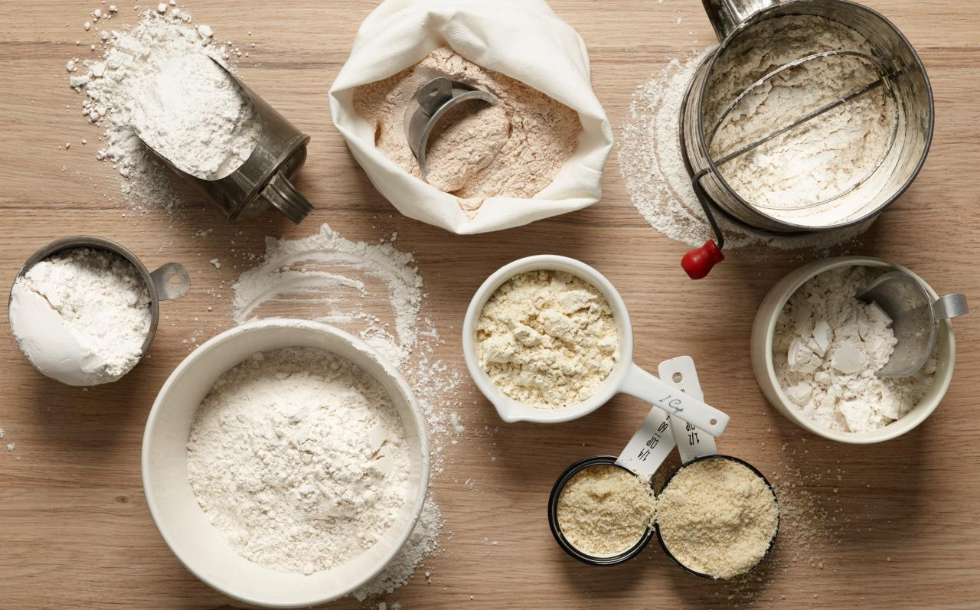
Each Sourdough loaf is made with the Highest Quality Ingredients
Testimonials
This homemade sourdough bread is the best! It is especially delicious when you get it fresh the first day. My husband and I nearly eat the whole loaf once it’s in our hands. Now we get it every week!
T Roberge
Wenelda’s bread is simply perfect and it’s good for you too! We love it when it is often still Warm when we pick it up. It’s a family favorite and we have shared loaves with many people who have become addicted as well. It’s a delight to have such a quality bread everyday. Toasted or fresh it’s the best! My last order was for 10 loaves as I have run out before and I don’t want that to happen again.
V Palma
This Bread is amazing. I love this Bread . I have ordered every week now for almost as long as she has been making it. There are 5 of us here and I hope to never have to buy store bread again.
C Martell
Endorsement RHN

It’s not the food, it’s what we’ve done to the food.
I use that phrase daily with my clients. Instead of removing more foods from our diets, creating further restrictions, what if we just upgraded our food choices?
Bread in some form has been a staple in food cultures around the world for more than 10,000 years. However, the common breads of today are not the same and therefore are often problematic!
Our bodies are not designed to properly digest grains without preparations such as soaking, sprouting, and fermenting. Traditional cultures knew that, and before the 20th century, naturally leavened is the way that we historically made and consumed bread. Commercial yeast – saccharomyces cerevisiae – wasn’t available until the late 1800’s, and until then bread baking took time; time that improved the nutritional value and digestibility of the grains.
Sourdough bread can be made in under 12 hours, however longer fermentation offers more benefits. The long fermentation process that Wenelda at Sourdough4dough uses for her breads makes grains easier to digest and eliminates the phytic acid naturally contained in grains, allowing the nutrients to release into the dough. It also breaks down the complex carbohydrates and proteins (like gluten), making it a low glycemic and almost gluten free bread!
More benefits? Enzymes and beneficial bacteria (lactobacillus) are developed during the fermentation process, and some remain in the baking process. The acid present in the starter culture acts a natural preservative, preventing mold and bacterial spoilage. No preservatives, no additives!
I believe that food is as much to nourish the soul as it is to nourish the body, and I can’t think of a better way to nourish the soul than with delicious bread that’s been handmade with love. Yes, your body can tell the difference!
Brigitta Beer is a Registered Holistic Nutritionist and Certified Blood Analyst in Kelowna, BC. Her focus is on gut heath and the gut/psychology and gut/physiology connection.
You can find more info at:
- www.foodeffects.ca
- 778-363-0180
- brigitta@foodeffects.ca
There’s some magic behind the fermentation process.
By Katy Severson June 18, 2018, HuffPost USA
If you’re sensitive to gluten, sourdough bread could be your new best friend. Gluten is the most misunderstood substance of the new millennium, so demonized that even coffee, yogurt and body wash are labeled “gluten-free” as a selling point.
But we’ve been eating grains for some 100,000 years, so what accounts for the sudden, massive increase in gluten intolerance?
Marketing accounts for most of it: Eighty-six percent of Americans who think they’re gluten-intolerant aren’t. But it also has to do with the way we’re baking bread.
The invention of quick-rise commercial yeast has replaced the way we’ve baked bread since the beginning. But now, the rising popularity of sourdough bread is teaching us something: It’s easier to digest. Sourdough has been a kind friend to our guts through the ages. Before commercial yeast, or “baker’s yeast,” was popularized in the 1960s, we made bread with a sourdough starter. It’s a mix of fermented grain and water that collects the wild yeast that lives all around us in the air, on our bodies, and in the flour itself.
The complex, symbiotic ecosystem of a sourdough starter works to leaven, flavor and build the structure of the dough. The slow fermentation process invites a magical combination of wild yeast, bacteria and enzymes, and lactobacillus (the same bacteria in yogurt) releases lactic acid to create the sour flavor that sourdough is known for. The enzymes unlock minerals in the wheat otherwise unavailable to us. The yeast, which feeds on complex starches, releases CO2 as a byproduct. And gluten, demonized as it may be, traps that CO2 and creates the rise and texture of the loaf. Of course, our ancestors knew this, to some degree. The magic of bread-baking was understood long before we learned the science of it. As author Michael Pollan points out in Cooked, bread-baking was a miraculous invention of its time: It turned a previously indigestible grass into a nutritious, satisfying food. But the fermentation, it turns out, was key.
So what exactly is this miracle of science that makes sourdough easier to digest?
At her workshops in Marshall, North Carolina, Tara Jensen puts a ball of bread dough under running water. Once the starches dissolve and rinse off, what remains is pure gluten: a sticky, gluey mass of protein that has the texture of a balloon. Holding that tough glob of gluten, it’s obvious why it might be hard to digest.
But sourdough ― the only bread she bakes ― has a trick for helping us digest gluten. It utilizes natural fermentation, a process that attracts wild yeast and bacteria that, with time, digest complex starches in the dough to produce a byproduct that makes the dough rise. The longer the dough ferments, the more the gluten is broken down for us. This happens through a process called hydrolysis, in which enzymes break down large, indigestible proteins into smaller amino acids. Other studies point to phytic acid ― an acid found in wheat flour ― is also broken down during sourdough fermentation.
The research surrounding non-celiac gluten sensitivity is complicated. We still don’t know exactly what causes non-celiac sensitivities to foods containing gluten. Several recent studies point to fructan, a compound found in bread, as well as in other things like bananas and garlic. Many gluten-sensitive people have found digestive relief from avoiding fructan-containing foods (also called FODMAPS). Sourdough bread does not contain fructan once it goes through fermentation. Other studies point to phytic acid ― an acid found in wheat flour ― which breaks down during sourdough fermentation. In each of these studies, components hypothesized to be toxic to gluten-sensitive people are rendered digestible during sourdough fermentation.
As a result, many people are finding that they can eat gluten again. When it comes to celiac disease, though, the studies aren’t not enough to draw a broad conclusion. Those diagnosed with celiac are cautioned against eating any foods containing gluten, including sourdough, before consulting their doctor. But the research is intriguing. Those with minor digestive issues or non-celiac gluten sensitivities will almost certainly find relief with properly made sourdough. Proper refers to bread that’s leavened with a sourdough starter and left to ferment before baking.
Many breads at the grocery store labeled “sourdough” have a sour flavor added, but are leavened with commercial yeast, foregoing fermentation. If unsure, ask your bakery if the bread is leavened naturally. We messed with a good thing, but we’re coming around again. Thankfully, sourdough bread is making its way back. Part of the sourdough revolution is returning to these ancient practices and working against innovations (like quick-rise yeast) that we never needed in the first place. And as a result, we might be making friends with gluten again.
Disclaimer: I am not responsible for each person who purchases bread that they may have an allergic reaction. Each person is unique, each circumstance is different, when it comes down to it, we all know our bodies. Make the choice according to how you feel and what you feel is right.
Wenelda Zurrin


You must be logged in to post a comment.